Plays
El Silencio Grande, Our 2nd Anniversary, Ajax Big and Little, Sugar, Mr. Bach and Mr. Gould, Ruby, and Wild West.
The 365 National Festival · New York City · 2007
A year of writing became a nationwide act of theatre-making. For one concentrated week in New York, seven plays became seven nights, seven directorial languages, and a public event.
ONE DAY / ONE PLAY / ONE YEAR
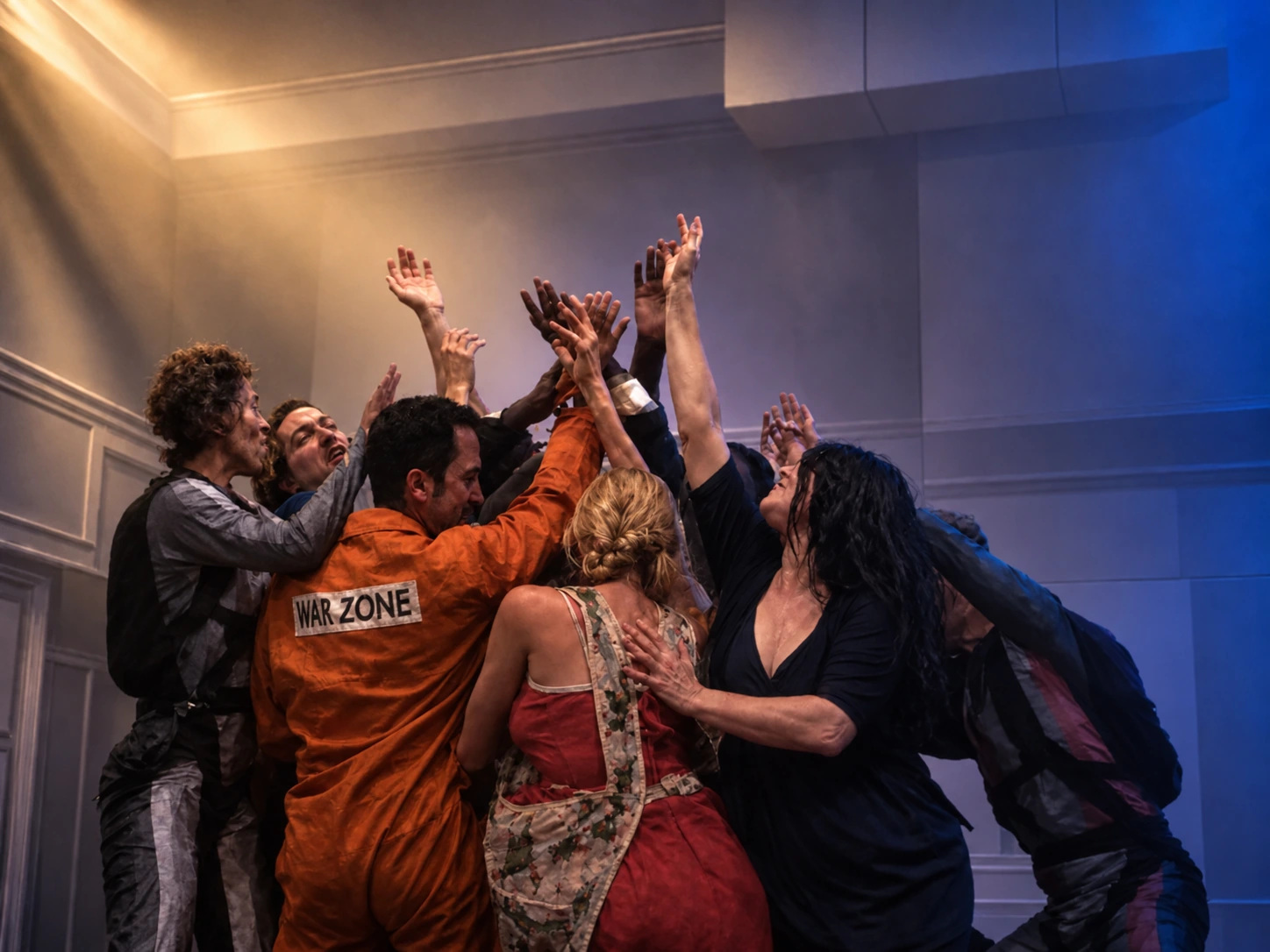
On November 13, 2002, Suzan-Lori Parks began writing a play each day. One year later, she had created 365 Days/365 Plays: a cycle of compact, fiercely individual works that collectively register an artist responding to the world in real time.
The plays move rapidly among intimacy, history, humor, rupture, war, power, ancestry, longing, and survival. Some are fleeting monologues or dialogues; others summon crowds. Together, they ask what can happen when artistic practice is understood not as an occasional event, but as a daily commitment.
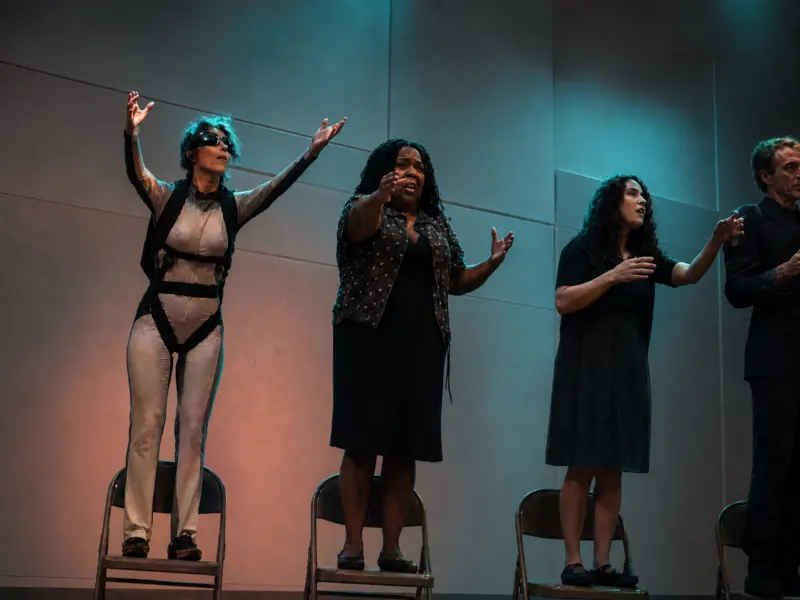
What changes when a play is not only staged—but passed from hand to hand, city to city, day to day?
The Public Theater served as New York’s hub for The 365 National Festival, a yearlong network that connected hundreds of producing organizations. Rather than centralizing the work in a single canonical production, the festival distributed it: each community received a week of plays and made its own theatrical response.
The scale was national; the fundamental unit remained intimate: a group of artists encountering a text together, making choices, and offering those choices to an audience.
02 / THE FAUX-REAL THEATRE COMPANY’S WEEK
El Silencio Grande, Our 2nd Anniversary, Ajax Big and Little, Sugar, Mr. Bach and Mr. Gould, Ruby, and Wild West.
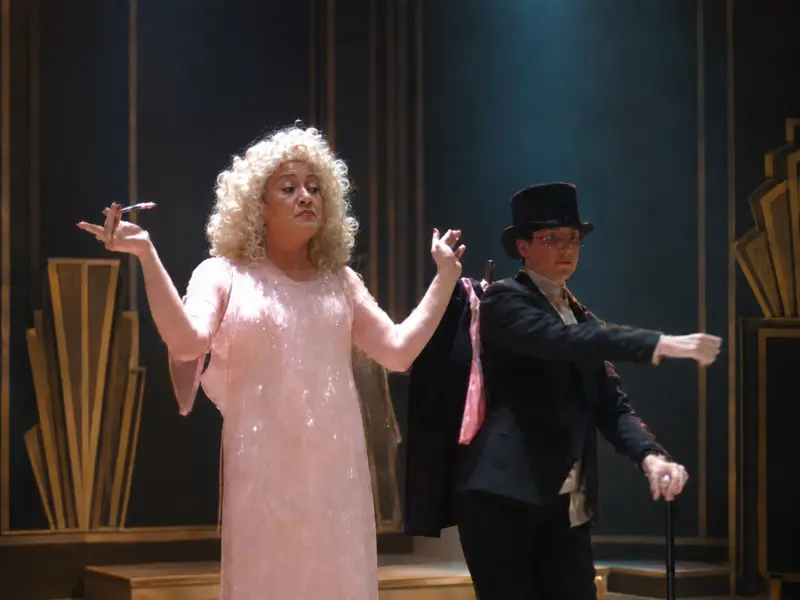
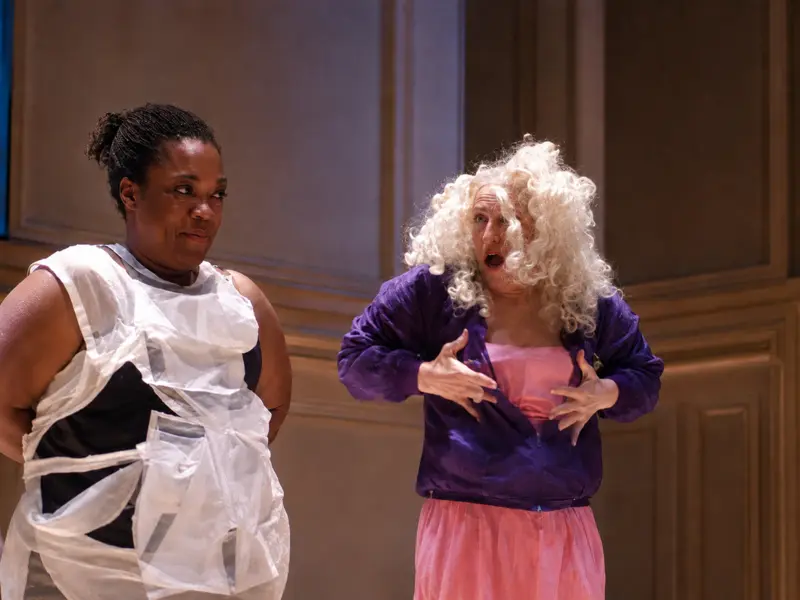
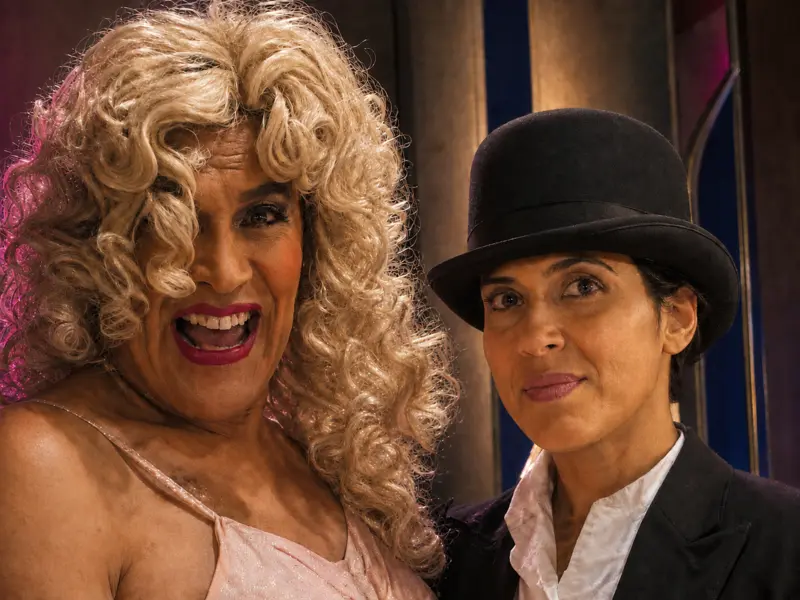
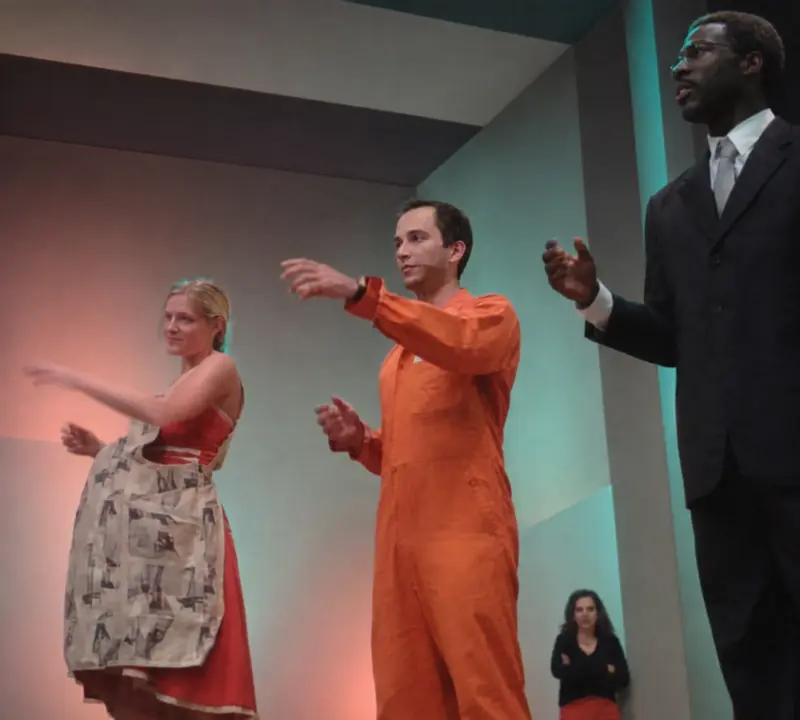
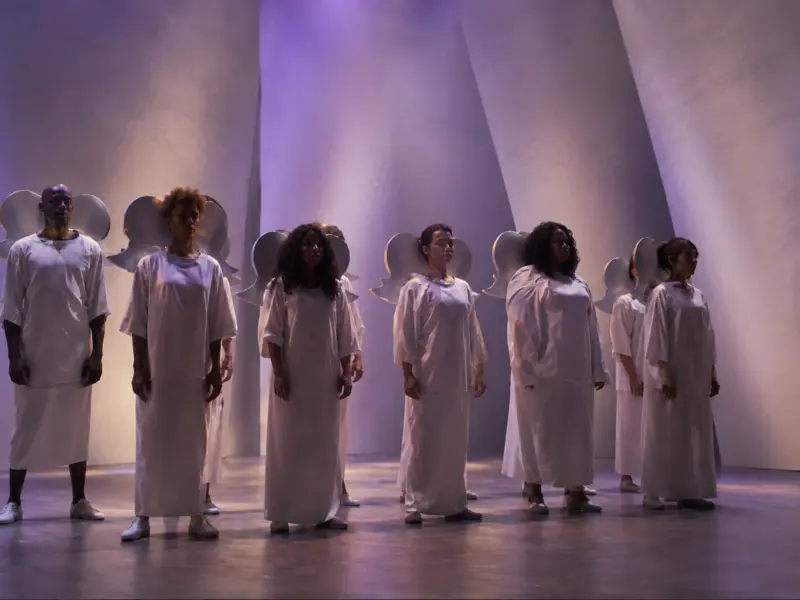
Seven members of the Faux-Real Theatre Company each made a complete, independent interpretation of the same texts—turning repetition into an engine of difference.
An expansive ensemble carried the plays through Judson Memorial Church and into Washington Square Park, collapsing the distance between theatrical event and civic space.
03 / MANUEL'S DIRECTION
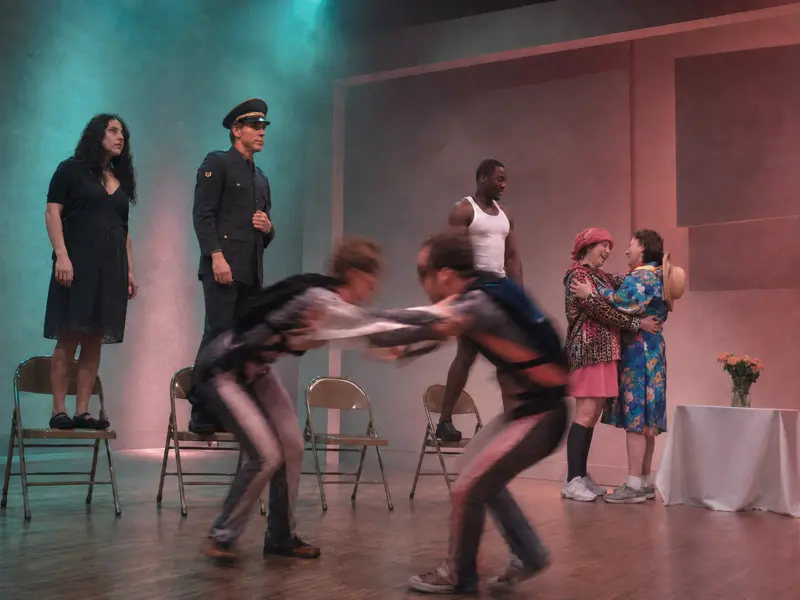
Manuel approached Parks’ seven texts as distinct theatrical propositions rather than pieces requiring a single governing style. The directorial task was to locate the particular rhythm, image system, and social pressure inside each work—and then to let those forms collide across the evening.
Internecine conflict recurred at different scales: personal, cultural, generational, and political. The works examined failures of empathy, the ways inherited histories remain active in the present, and the ease with which power can benefit from division. Yet their compactness resisted solemnity. Humor, physical transformation, theatrical surprise, and abrupt shifts of register remained central to the event.
The seven-director structure made interpretation visible. Audiences did not encounter the texts as fixed objects; they watched meaning change through bodies, staging, tone, space, and point of view. Difference was not noise around the work. Difference was the work.
04 / THE PUBLIC ACT
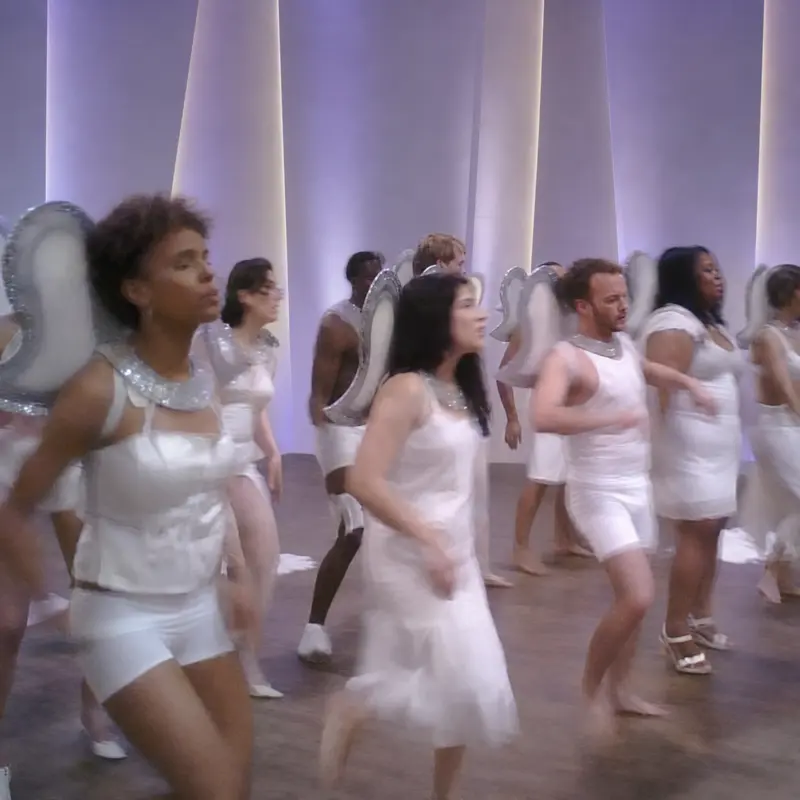
The week culminated in a large-scale street-theatre event directed by Manuel Simons in Washington Square Park. Seventy-five performers carried the work into public space as an expression of the desire to end the war in Iraq.
In the park, spectatorship became porous. Audiences gathered deliberately, encountered the performance by chance, or passed through it while moving across the city. The event extended the festival’s central proposition: theatre can circulate beyond conventional rooms and become a temporary form of public assembly.
05 / PRODUCTION ARCHIVE
THE SAME TEXT is never the same event.
Discuss a directing project ↗